
Biochar production is an intricate process that blends science and technology to convert organic materials into a valuable, sustainable product. The transformation of biomass into biochar is facilitated by specialized equipment that optimizes the conditions required for efficient pyrolysis. This process not only enhances environmental sustainability but also serves various industrial and agricultural purposes, from soil conditioning to carbon sequestration. Understanding the science behind biochar production and the role of biochar production equipment is key to appreciating the precision required for high-quality output.
The Pyrolysis Process
At the core of biochar production lies pyrolysis, a thermochemical process in which biomass is heated in a low-oxygen environment. Unlike traditional combustion, which involves burning organic matter with oxygen, pyrolysis occurs without the presence of oxygen, preventing the complete oxidation of the material. Instead, biomass is converted into three distinct products: biochar, bio-oil, and syngas. The specific conditions during pyrolysis—such as temperature, pressure, and residence time—determine the properties of the biochar produced.
Biochar is primarily a form of carbon-rich solid material. It has a high surface area, which makes it ideal for applications in soil health and carbon sequestration. The process itself typically occurs at temperatures between 400°C and 800°C. Lower temperatures may result in higher yields of bio-oil, whereas higher temperatures optimize the production of biochar. The role of the biomass pyrolysis machine in regulating these parameters is critical to ensuring optimal yields and the desired properties of the final product.
The Role of Biochar Production Equipment
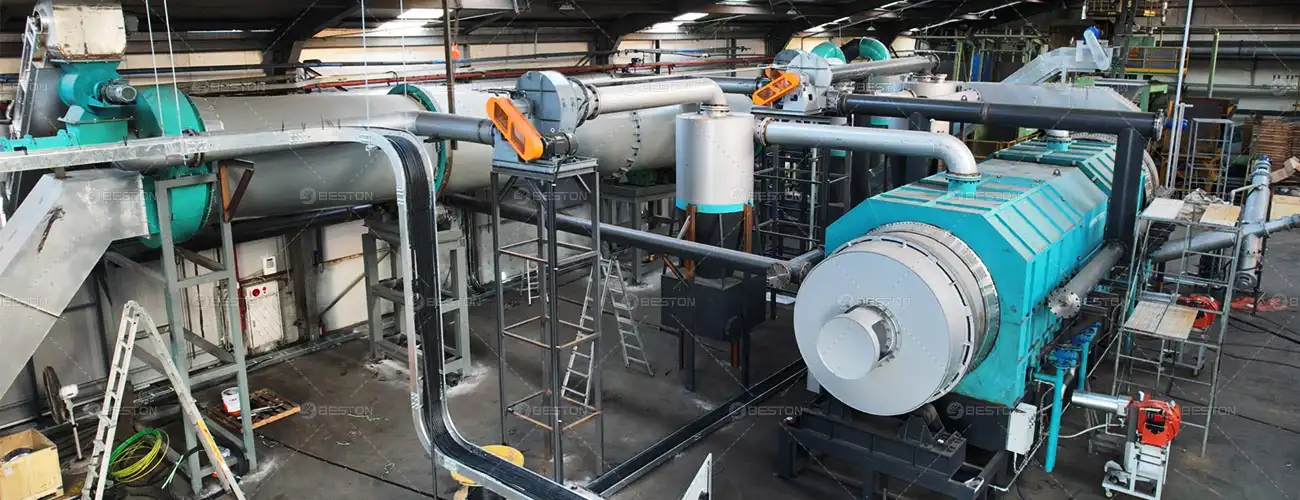
Biochar production equipment, such as a biochar pyrolysis machine, is designed to control the conditions necessary for effective biomass conversion. These machines use advanced engineering to regulate temperature, airflow, and heating rates, ensuring the consistent quality of biochar. The design of the machine also allows for the capture and utilization of by-products, such as syngas, which can be used as a fuel source to power the pyrolysis process itself, increasing the overall energy efficiency.
A biochar kiln for sale, for instance, may come in various configurations depending on its intended use and capacity. The kiln typically consists of a furnace chamber where the biomass is heated and a cooling system that ensures the safe handling of the biochar once it is produced. High-efficiency kilns are equipped with automated systems that manage heat distribution, reducing energy waste and improving operational cost-effectiveness.
Moreover, the scalability of biochar production equipment is another important consideration. Biomass pyrolysis machines are available in various sizes, making them suitable for both small-scale operations and large industrial facilities. While small-scale units are used primarily for research and localized production, large-scale systems can handle tons of biomass daily, enabling the widespread application of biochar in agriculture, environmental remediation, and industrial uses.
Factors Affecting Biochar Quality
The efficiency and quality of biochar depend significantly on the feedstock used, the pyrolysis conditions, and the type of equipment. Different biomasses—such as wood chips, agricultural residues, and even municipal waste—can yield biochars with varying characteristics, such as pore structure, nutrient content, and carbon content. Biochar production equipment needs to be adaptable to these differences to ensure consistent results.
Furthermore, the control over heating rates and the duration of the pyrolysis process influences the final product’s surface area and porosity. Biochar kiln for sale that provides precise control over these parameters allow for the production of biochar with specific qualities suited to its intended application, whether for soil amendment or carbon capture.

Conclusion
The science behind biochar production is both complex and fascinating, involving the precise manipulation of various factors to create a product with diverse applications. The equipment used in the pyrolysis process plays an instrumental role in determining the efficiency, quality, and scalability of biochar production. By optimizing conditions through biochar pyrolysis machines and biochar kilns, the potential for biochar to contribute to sustainable agriculture, energy production, and environmental management continues to expand.


